Understanding Containerized Water Treatment Systems
In an age where the demand for clean and reliable water sources is at an all-time high, containerized water treatment systems have emerged as a game-changing solution. These modular systems are designed to provide flexible and efficient water treatment options for various applications, from municipal utilities to remote industrial operations. Leveraging advanced technology, they can be deployed swiftly and adapted easily to meet changing needs while ensuring the production of high-quality drinking water. When exploring options, water treatment systems manufacturer QILEE offers exceptional insights into customizable solutions that cater to diverse environments.
What are Containerized Water Treatment Systems?
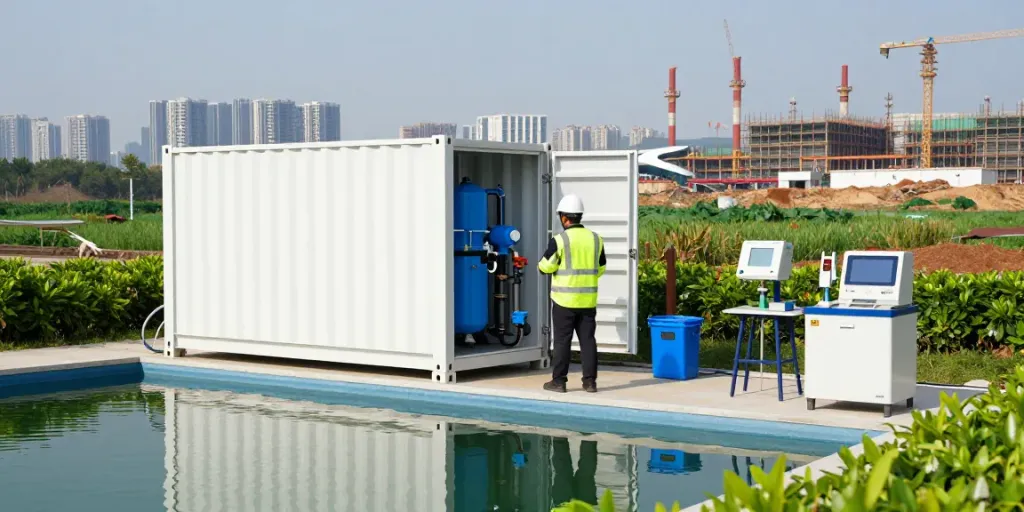
Containerized water treatment systems are prefabricated units that integrate all necessary components for treating water into a compact, easily transportable module. Typically housed in shipping containers, these systems can treat various water types, including surface water, groundwater, and even seawater, transforming them into potable water. The modular design allows for quick deployment, often taking just a few days to install on-site and operational. This is a significant improvement over traditional water treatment plants, which can take months to construct and require extensive civil engineering.
Benefits of Modular Design in Water Treatment
The modular design of containerized water treatment systems offers several advantages:
- Rapid Deployment: These systems can be installed and operational within days, significantly reducing lead times.
- Space Efficiency: With a footprint reduced by up to 50%, containerized systems require minimal land area compared to traditional setups.
- Scalability: As water demand changes, these modular systems can be easily expanded by adding more units.
- Flexibility: They can be relocated with relative ease, making them ideal for temporary or changing operational needs.
Applications Across Various Industries
Containerized water treatment systems are employed across different sectors. Municipalities use them for emergency response to water crises, providing a swift solution to drinking water shortages. In industrial applications, they serve industries like pharmaceuticals, where high-purity water is essential for production processes. Remote sites, such as oil rigs or construction sites, benefit from these systems due to their portability and ability to function in off-grid locations without extensive infrastructure. This versatility ensures access to safe drinking water, no matter the circumstances.
Comparative Analysis: Containerized vs. Traditional Systems
Deployment Speed and Flexibility
One of the most significant differences between containerized and traditional water treatment systems lies in deployment speed. As mentioned, containerized systems can be operational within 3-7 days, while traditional plants may require 3-6 months for construction. This quick deployment makes them invaluable in disaster scenarios where time is of the essence. Furthermore, their flexibility allows for relocation, facilitating adjustments to changing water needs and conditions.
Operational Efficiency and Space Utilization
Containerized systems dramatically enhance operational efficiency. Traditional water treatment facilities often require large areas for various components and civil engineering, making them costly and time-consuming to establish. In contrast, the compact design of containerized systems saves up to 50% of the floor space needed and simplifies site preparation. This efficiency translates into lower operating costs and quicker commissioning times, allowing municipalities and industries to redirect funds towards other essential services.
Quality Control and Real-time Monitoring
Quality control is paramount in water treatment, and containerized systems are designed with advanced technology to address this need. Traditional systems often rely on manual operations, leading to inconsistency and potential quality issues. In contrast, containerized systems, such as those offered by QILEE, feature intelligent control systems that enable real-time monitoring and adjustments for optimal performance. This ensures consistently high-quality water production that adheres to stringent health and safety standards.
Key Technologies in Advanced Water Treatment
Understanding RO and RO-EDI Systems
Reverse Osmosis (RO) and RO-Electrodeionization (RO-EDI) are two critical technologies driving the efficiency of containerized water treatment systems. RO systems use semi-permeable membranes to remove impurities, salts, and other contaminants from water, resulting in high-quality drinking water. RO-EDI combines RO with electrical processes to further purify water, making it suitable for high-purity applications in pharmaceuticals and laboratories. These technologies are essential for ensuring the reliability and effectiveness of water treatment operations.
Resource Recycling and Reusability Features
Containerized systems also support resource recycling and reuse, addressing growing environmental concerns in the water treatment sector. Many of these systems incorporate reclaimed water reuse modules, allowing treated wastewater to be recycled for various applications, such as irrigation or industrial processes. This recycling capability can achieve resource recycling rates of up to 80%. As industries face stricter environmental regulations, the ability to recycle water will become increasingly vital.
Innovations Driving Water Treatment Performance
Innovative technologies are continuously enhancing the performance of containerized water treatment systems. Advances in membrane technology, automation, and data analytics contribute to improved efficiency and reliability. For instance, the integration of IoT (Internet of Things) devices allows for remote monitoring and predictive maintenance, reducing downtime and maintenance costs. With the industry's move toward smart solutions, these innovations will play a crucial role in the future of water treatment.
Challenges and Solutions in Water Treatment
Common Misconceptions About Modular Systems
Despite their advantages, misconceptions about containerized systems persist. One common belief is that they are less effective than traditional systems. However, numerous case studies demonstrate that containerized water treatment systems can deliver comparable, if not superior, water quality. Educating stakeholders on the benefits and capabilities of these systems is essential to dispel myths and encourage wider adoption.
Technical Barriers and How to Overcome Them
Technical barriers can sometimes hinder the implementation of containerized systems. These may include integration with existing infrastructure or limitations in site preparation. Proper planning and collaboration with experienced manufacturers can help overcome these challenges. By engaging with skilled water treatment systems manufacturers, organizations can design solutions tailored to their specific requirements, ensuring a smooth transition.
Integrating Reclaimed Water Solutions
The integration of reclaimed water solutions into containerized systems poses both opportunities and challenges. While the advantages of recycling water are clear, implementing such systems can require significant investment and training. Continuous collaboration among stakeholders—including manufacturers, environmental agencies, and community members—will be essential to navigate regulatory hurdles and successfully implement these solutions.
Future Outlook for Water Treatment Systems in 2026
Emerging Trends in Water Treatment Technologies
The future of water treatment systems looks promising, with several emerging trends set to shape the industry in the coming years. These include the increasing adoption of smart technologies, enhanced filtration methods, and modular designs that prioritize environmental sustainability. As global water demands rise, innovative solutions will be crucial to ensuring access to clean and safe water.
Regulatory Changes and Industry Standards
Regulatory changes will also impact the water treatment industry significantly. Stricter water quality standards and environmental regulations are anticipated, necessitating advancements in treatment technologies. Manufacturers must remain vigilant and adaptable to these changes, continually innovating to meet new requirements and ensuring compliance with evolving standards.
The Role of Sustainability in Future Water Solutions
Sustainability will be at the forefront of water treatment solutions. As resource scarcity becomes more pressing, the emphasis on water conservation technologies and practices will intensify. Containerized water treatment systems, with their ability to recycle and reuse water, will play a vital role in advancing sustainable practices across various sectors, making them instrumental in future water solutions.