The Evolution of the Automatic Bag Palletizer Machine
The automatic bag palletizer machine has seen remarkable advancements since its inception, revolutionizing the way products are stacked and packaged. As industries strive for greater efficiency and cost-effectiveness, the evolution of these machines has played a crucial role in automating the packaging process. In this article, we will delve into the historical context of bag palletizing technology, explore key innovations that have influenced machine development, and discuss current trends that shape automatic packaging solutions today. When considering options for enhancing your production line, the automatic bag palletizer machine stands out as an ideal choice for efficiency and reliability.
Historical Context of Bag Palletizing Technology
The journey of bag palletizing technology dates back several decades, initially relying on manual labor for the tedious task of stacking bags onto pallets. This traditional method, while functional, was often fraught with inefficiencies and safety concerns. With the advent of mechanization in the mid-20th century, industries began to recognize the benefits of automating this process. Early models of palletizers were rudimentary, operating with limited speed and flexibility. However, as technology progressed, manufacturers started investing in more sophisticated equipment, leading to the development of semi-automatic and fully automatic systems.
Key Innovations Influencing Machine Development
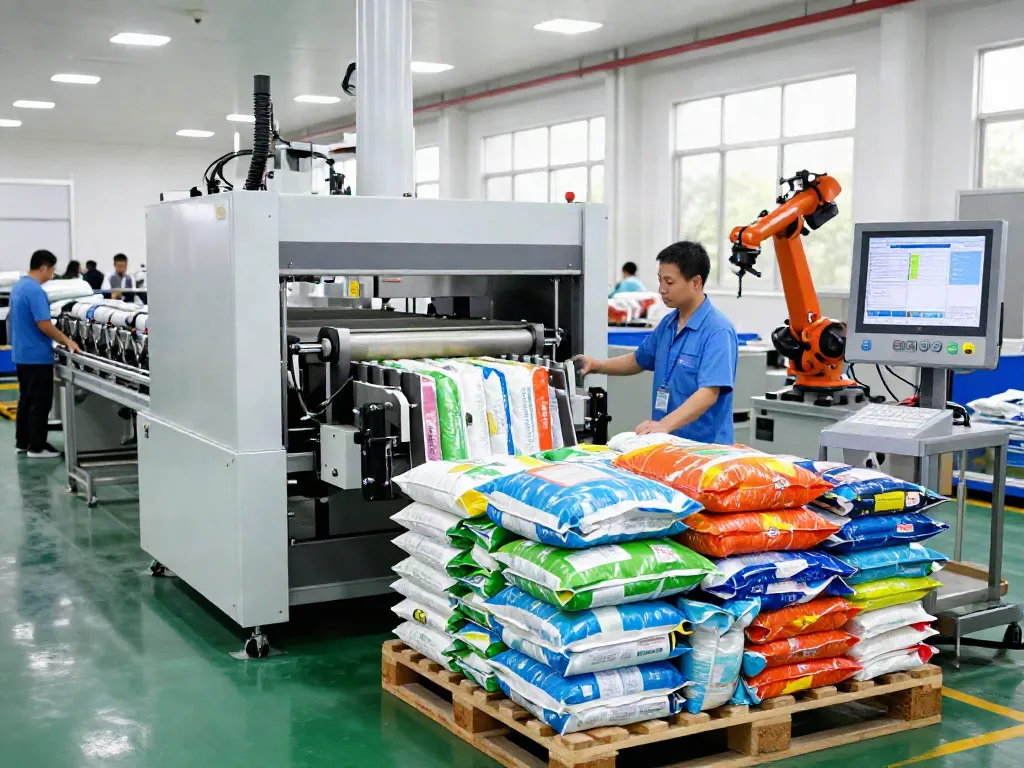
Several key innovations have significantly shaped the development of automatic bag palletizers. The introduction of robotics in the 1990s revolutionized the industry, allowing for increased precision and speed. Robotic arms could easily adapt to various bag sizes and weights, enabling manufacturers to streamline their operations. Furthermore, advancements in sensors and vision systems have enhanced the machines' ability to recognize and handle different types of bags, optimizing the palletizing process. Today, many machines come equipped with advanced software that enables real-time monitoring and data collection, allowing businesses to analyze performance and make informed operational decisions.
Current Trends in Automatic Packaging Solutions
As we advance toward 2026, several trends are shaping the landscape of automatic packaging solutions. One significant trend is the integration of artificial intelligence and machine learning in bag palletizers, enabling them to learn and adapt to varying production demands. This adaptability is crucial in industries where product lines frequently change. Additionally, sustainability is becoming a focal point, prompting manufacturers to explore eco-friendly materials and processes in their packaging solutions. The rise of e-commerce has also influenced palletizing systems, as companies seek to optimize efficiency to meet the increasing demand for rapid shipping.
Understanding Efficiency Metrics for Your Operations
Efficiency in operations is paramount for businesses aiming to maximize productivity and reduce costs. Understanding the metrics that define this efficiency can lead to more informed decisions regarding the selection and operation of bag palletizers. In this section, we will explore how to measure productivity rates, address common challenges associated with automation, and discuss the impact of machine efficiency on overall cost reduction.
Measuring Productivity Rates with Bag Palletizers
One of the primary metrics for assessing the effectiveness of an automatic bag palletizer machine is its productivity rate, measured in bags per minute. This quantifiable data allows businesses to forecast output and optimize their production schedules. To get a comprehensive understanding, businesses should also consider the machine's uptime and downtime, as well as any delays caused by maintenance or human intervention. By analyzing these metrics, companies can take steps to improve their automated systems and achieve better results.
Common Challenges and Solutions in Automation
While automation presents numerous advantages, it is not without challenges. Common issues include equipment malfunctions, bag jams, and inconsistencies in bag sizes which can disrupt the palletizing process. Implementing robust maintenance protocols and providing regular training for operators can mitigate these challenges. Additionally, investing in advanced diagnostic tools can help identify problems before they become significant issues, ensuring smooth operation.
Impact of Machine Efficiency on Cost Reduction
Efficiency directly correlates with cost savings. A highly effective automatic bag palletizer machine can reduce labor costs by minimizing the need for manual handling, lower error rates, and enhance throughput. Furthermore, the ability to maintain consistent pallet quality reduces material waste and shipping expenses. Businesses that prioritize efficient palletizing solutions can reap significant financial benefits, contributing to long-term sustainability and competitiveness in their industry.
Choosing the Right Automatic Bag Palletizer
Selecting the appropriate automatic bag palletizer for your operation is a critical decision that can impact efficiency, safety, and profitability. This section outlines key factors to consider, how to compare different models, and the importance of aligning choices with industry-specific needs.
Factors to Consider When Selecting Equipment
When evaluating different automatic bag palletizers, companies should consider several factors, including:
- Bag Specifications: Understand the sizes, weights, and materials of the bags being handled.
- Production Rates: Ensure the machine can meet or exceed your expected output demands.
- Space Constraints: Assess the physical space available for the equipment, including clearance and layout considerations.
- Integration Capabilities: Confirm that the palletizer can integrate seamlessly with existing production lines and software systems.
Comparing Different Models and Features
With numerous models available on the market, it's essential to perform a thorough comparison based on features. Look for aspects such as:
- Automation Level: Determine whether a semi-automatic or fully automatic system is best suited for your needs.
- Flexibility: Assess how well the machine handles varying bag types and sizes.
- Maintenance Requirements: Consider models that require minimal maintenance while providing high performance.
- Cost: Analyze the total cost of ownership, including initial investment, operational costs, and potential savings.
Industry-Specific Needs and Specifications
Different industries have unique requirements for palletizing systems. For example, the food and beverage sector may prioritize hygiene and sanitation features, while chemical industries might focus on robust handling systems to manage heavier bags. Tailoring your equipment selection to fit the specific demands of your industry will ensure better performance and compliance with regulations.
Best Practices for Maintenance and Operation
To maximize the longevity and performance of your automatic bag palletizer machine, it is essential to follow best practices for maintenance and operation. This section provides actionable insights for keeping your equipment running smoothly.
Routine Maintenance for Longevity and Performance
Regular maintenance is vital for ensuring the optimal performance of palletizing machines. Key practices include:
- Scheduled Inspections: Conduct frequent checks for wear and tear, ensuring that all components function correctly.
- Lubrication: Regularly lubricate moving parts to reduce friction and prevent breakdowns.
- Software Updates: Keep the machine's software updated to ensure it runs efficiently and securely.
Training Staff for Optimal Use of Equipment
Proper training of staff is crucial in maximizing the effectiveness of palletizers. Operators should be equipped with the necessary knowledge regarding:
- Machine Operations: Comprehensive training on machine functions and control systems.
- Safety Protocols: Familiarize staff with safety measures to minimize workplace accidents.
- Troubleshooting Techniques: Teach operators how to quickly identify and resolve common issues.
Troubleshooting Common Issues with Palletizers
Even with regular maintenance, issues may arise during operation. Some common problems include:
- Bag Jams: Ensure that the machine is calibrated correctly and that bags are fed properly.
- Sensor Malfunctions: Regularly test sensors to ensure proper functionality.
- Inconsistent Stacking: Check for adjustments in the gripping mechanisms and alignment systems.
The Future of Bag Palletizing Technology
As we look ahead to 2026 and beyond, the future of bag palletizing technology appears vibrant and increasingly sophisticated. This section highlights predicted trends, the integration of Industry 4.0 technologies, and noteworthy case studies.
Predicted Trends for 2026 and Beyond
Several trends are expected to shape the future of automatic bag palletizers, including:
- Increased Automation: More industries will adopt fully automated systems to enhance efficiency.
- Smart Technologies: Integration of IoT and AI will allow for greater flexibility and predictive maintenance capabilities.
- Sustainable Practices: The industry will move towards environmentally friendly materials and processes.
Integration with Industry 4.0 Technologies
The ongoing evolution of Industry 4.0 will significantly influence the functionality of automatic bag palletizer machines. Real-time data collection and analysis will enhance operational decision-making, while connected devices will provide invaluable insights into machine performance. This connectivity will enable predictive maintenance, reducing unplanned downtime and optimizing efficiency.
Case Studies of Leading Companies in Automation
Numerous companies are leading the charge in adopting advanced automatic bag palletizing technologies. For instance, a prominent food packaging company implemented robotic palletizers, resulting in a 30% increase in productivity and substantial labor cost savings. Another case involved a chemical manufacturer that upgraded to an AI-driven palletizing system, allowing for real-time adjustments based on production variations, significantly improving efficiency. These examples demonstrate how investing in modern technology can yield tangible benefits across various sectors.
How much does a robotic palletizer cost?
The cost of robotic palletizers can vary significantly based on specifications, size, and features. Typically, companies should expect an investment ranging from $50,000 to $150,000 or more, depending on the complexity and capabilities of the system.
What are the best automated bagging systems?
Some of the best automated bagging systems currently available combine flexibility, speed, and reliability. Brands known for quality equipment include Durzerd, Premier Tech, and Tinsley Company, each offering innovative solutions suitable for various industries.
What are the different types of palletizer machines?
Palletizers can be categorized into several types, including robotic palletizers, layer palletizers, and high-speed palletizers. Each type serves specific functions and industries, making it essential to select the right model based on operational needs.
What is palletizing automation?
Palletizing automation refers to the use of machinery to streamline the process of stacking products onto pallets, minimizing manual labor and maximizing efficiency. This technology is key to modern production lines aiming for consistency and higher output rates.
What are the benefits of using an automatic bag palletizer machine?
Utilizing an automatic bag palletizer machine can lead to numerous benefits, including improved operational efficiency, reduced labor costs, minimized risk of injuries, and consistent quality in pallet stacking. These advantages not only enhance productivity but also contribute to overall business profitability and sustainability.