Understanding Glass Cutting Machines
In the world of manufacturing and craftsmanship, efficiency, precision, and safety are paramount—especially when it comes to glass cutting. The glass cutting machine is an indispensable tool for various industries, from construction to art. It enables users to achieve consistent, quality cuts, ensuring that glass components can be used in a wide range of applications, including windows, doors, and decorative pieces. Understanding the fundamentals of glass cutting machines is essential for anyone looking to invest in or improve their glass processing capabilities.
What is a Glass Cutting Machine?
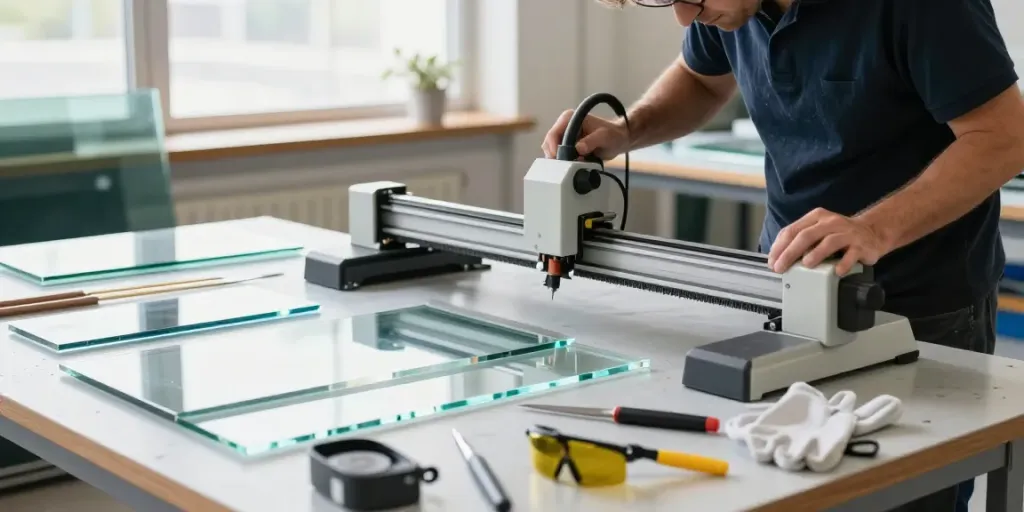
A glass cutting machine is a specialized device designed to score and cut glass sheets with precision. These machines vary in complexity and can range from manual hand-held cutters used in small craft projects to automatic CNC machines that handle large-scale production. The core function of a glass cutting machine is to create a score line on the surface of the glass, which can then be broken cleanly along this line to achieve the desired shapes and sizes.
Types of Glass Cutting Machines
There are several types of glass cutting machines available in the market, each designed for specific applications and materials:
- Manual Glass Cutters: Ideal for small crafts or DIY projects, these handheld tools require the user to manually score the glass.
- Automated Cutting Tables: Designed for large production environments, these machines can handle multiple sheets of glass simultaneously, enhancing both speed and efficiency.
- CNC Glass Cutters: Utilizing computer-controlled technology, CNC machines can cut intricate designs and shapes with high precision.
- Water Jet Cutters: These machines use water jets to cut glass with incredible accuracy and are ideal for complex shapes.
- Laser Cutters: Offering unparalleled precision, laser cutting machines can create detailed designs in a variety of glass types.
How Do Glass Cutting Machines Work?
Understanding how glass cutting machines function can help users select the right type for their needs. Most machines work on the principle of scoring the glass surface. The process typically involves the following steps:
- Scoring: The cutting tool moves across the glass surface, applying pressure to create a score line.
- Breaking: The glass is then placed under tension, allowing it to break neatly along the score line.
- Finishing: Edges may be polished or finished to ensure safety and enhance aesthetic appeal.
Key Features of Advanced Glass Cutting Machines
Modern glass cutting machines come equipped with various features that enhance their usability, safety, and precision. By understanding these features, businesses can make informed purchasing decisions.
Automation and Efficiency
The integration of automation in glass cutting machines has revolutionized the industry. Automated machines can operate continuously, reducing manual labor and increasing production rates. Features such as programmable cutting patterns and automatic material handling systems allow for minimal downtime and higher output.
Safety Features and Ergonomics
Safety is a primary concern when working with glass cutting equipment. Advanced machines include safety features like automatic shut-off systems, protective shields, and ergonomic designs that reduce the risk of operator injury. Additionally, many modern machines are designed to minimize the risk of glass shattering during the cutting process.
Precision and Quality of Cuts
Precision is vital in glass cutting, especially for applications requiring tight tolerances. Modern glass cutting machines utilize high-quality blades and advanced scoring techniques to ensure clean, accurate cuts. This level of precision not only improves the quality of the finished product but also minimizes waste, making the entire process more cost-effective.
Choosing the Right Glass Cutting Machine for Your Business
When selecting a glass cutting machine, it is essential to evaluate your specific business needs. Factors such as production volume, types of glass, and budget play crucial roles in this decision-making process.
Assessing Your Production Needs
Before purchasing a glass cutting machine, assess your production needs carefully. Consider the types of glass you will be working with, the volume of production, and the level of complexity in your designs. If your business handles large volumes of glass or intricate patterns, investing in a high-quality automatic or CNC cutting machine may be the best option.
Budget Considerations for Glass Cutting Machines
Your budget will also significantly influence your choice of a glass cutting machine. While it may be tempting to opt for the lowest-cost option, consider the long-term return on investment. Higher-quality machines may have a higher initial cost but can offer better durability, lower maintenance costs, and improved efficiency.
Top Brands and Models in 2026
As of 2026, several brands lead the market in glass cutting technology. Popular brands include:
- Eworld Machine: Renowned for their reliable, efficient, and high-performance glass cutting machines.
- CMS Glass Machinery: Known for their advanced automation capabilities and innovative designs.
- Fletcher Group: Offers a range of glass cutting systems that combine quality and user-friendliness.
- Delphi Glass: Specializes in tools for glass crafts, providing a wide variety of cutting options.
Best Practices in Glass Cutting
To ensure optimal performance and longevity of your glass cutting machines, it is essential to follow best practices. Proper handling and maintenance can significantly affect your production quality.
Preparing Glass Sheets for Cutting
Before initiating the cutting process, ensure that glass sheets are correctly prepared. Clean the surfaces to remove any dust or debris, which can interfere with scoring. Additionally, mark your cutting lines clearly to ensure accurate cuts.
Maintenance Tips for Longevity
Regular maintenance is crucial for the longevity of glass cutting machines. Clean the cutting tools and surfaces daily, and perform routine checks to ensure that blades are sharp and in good condition. Additionally, lubricate moving parts as necessary and follow the manufacturer’s recommendations for maintenance practices.
Common Mistakes to Avoid
Avoiding common mistakes can save time and resources in glass cutting. Some frequent errors include:
- Insufficient maintenance, leading to subpar cutting quality.
- Not aligning the glass properly before scoring, resulting in inaccurate cuts.
- Overexerting pressure on the cutting tool, which can lead to chipping or breaking.
- Neglecting to wear appropriate safety gear when operating cutting machines.
Future Trends in Glass Cutting Technology
As technology evolves, so too do the capabilities and functionalities of glass cutting machines. Staying aware of future trends can help businesses adapt and thrive in a competitive landscape.
Innovations to Watch in 2026
In 2026, expect to see innovations such as AI-driven cutting technology that enhances precision and predictive maintenance systems that can anticipate equipment failures before they occur. Additionally, advancements in integrated software solutions will streamline the design-to-production process.
The Rise of Eco-Friendly Glass Cutting Solutions
Sustainability is becoming increasingly important in all manufacturing sectors, including glass cutting. Innovations in eco-friendly cutting solutions, such as water-based diamond blades and energy-efficient machinery, are gaining traction. Businesses that prioritize sustainability in their operations not only contribute to environmental conservation but also attract eco-conscious consumers.
Impact of Industry 4.0 on Glass Cutting Machinery
Industry 4.0 represents the next phase of industrial evolution, characterized by the integration of IoT, AI, and automation. Glass cutting machines are becoming smarter, capable of real-time data analysis, and adapting to production shifts efficiently. These advancements promise to enhance operational efficiency and reliability across the board, setting a new standard for the glass manufacturing industry.