Understanding IEC Connectors: A Manufacturer's Perspective
IEC connectors are critical components in the world of electrical engineering, ensuring reliable power delivery to various appliances and devices. The International Electrotechnical Commission (IEC) has standardized these connectors to guarantee safety, performance, and compatibility across a wide range of applications. As an IEC connector manufacturer, it is essential to understand the nuances of these connectors, including their design, usage, and manufacturing processes. This article delves into what IEC connectors are, their importance, and the best practices for manufacturing them effectively.
What are IEC Connectors?
IEC connectors, defined under the IEC 60320 standard, are used primarily to connect electrical appliances to the mains power supply. They are designed for voltages up to 250 V AC and currents up to 16 A. Commonly found in consumer electronics, industrial machinery, and medical equipment, these connectors are characterized by their reliability and safety. The versatility of IEC connectors allows them to be used in various applications, from home appliances to data centers, making them a vital component for manufacturers across multiple industries.
Importance of Quality in Manufacturing
Quality in manufacturing IEC connectors cannot be overstated. High-quality connectors not only adhere to safety and performance standards but also reduce the risk of failures that can lead to downtime or, worse, safety hazards. Manufacturers must implement rigorous quality control measures throughout the production process. This includes in-process inspections, final testing, and adhering to international certifications such as UL, CE, and RoHS. Quality assurance not only fosters customer trust but also positions manufacturers as reliable suppliers in a competitive market.
Key Standards and Certifications for IEC Connectors
Meeting international standards is paramount for IEC connector manufacturers aiming to penetrate global markets. The IEC 60320 standard outlines various connector types and their requirements. Additionally, certifications like UL (Underwriters Laboratories) and CE (Conformité Européenne) are vital for ensuring that products comply with safety regulations across different regions. Investing in these certifications not only enhances product credibility but also opens doors to collaboration with international clients and industries.
Common Pitfalls for IEC Connector Manufacturers
Despite the clear benefits of manufacturing quality IEC connectors, many manufacturers face challenges that can hinder their success. Understanding these pitfalls is crucial for maintaining operational efficiency and product integrity.
Overlooking Quality Control Practices
While it might seem cost-effective to cut corners on quality control, this can lead to disastrous consequences. Poorly manufactured connectors may result in malfunctions or even safety issues, tarnishing a manufacturer’s reputation. Implementing robust quality assurance practices is essential. Regular audits of production processes and thorough product testing help to ensure that manufacturers deliver reliable components consistently.
Neglecting Customer Requirements
Customer-centric manufacturing is essential in today’s competitive landscape. Failing to understand and meet customer specifications can lead to mismatched products and lost contracts. Engaging with customers to gather feedback and adapt products accordingly can lead to higher satisfaction rates and repeat business. Customized solutions, whether in connector specifications or packaging, can distinguish a manufacturer in a crowded marketplace.
Failing to Stay Updated with Industry Standards
The electronics industry is rapidly evolving, with new standards and technologies emerging regularly. Manufacturers must stay informed about changes in IEC standards and other regulatory requirements. This proactive approach enables manufacturers to adapt their production processes effectively and maintain compliance, ensuring their products remain relevant and competitive.
Best Practices for Successful Manufacturing
Implementing best practices is essential for manufacturers looking to excel in the IEC connector market. By focusing on efficiency, quality, and innovation, they can secure and grow their market positions.
Implementing Robust Testing Protocols
Testing is a critical phase in the manufacturing process of IEC connectors. By creating comprehensive testing protocols, manufacturers can ensure that each product meets the required performance and safety standards. This includes electrical testing, mechanical stress testing, and environmental testing to simulate real-world conditions. Such rigorous testing not only helps in identifying potential failures before products reach the market but also assures customers of the reliability of their purchases.
Emphasizing Customization and Flexibility
Manufacturers that offer customization options often find themselves with a competitive edge. By understanding the specific needs of various industries, manufacturers can develop tailored solutions, whether that includes unique connector configurations or custom cable lengths. Providing flexibility in order quantities and lead times can also cater to businesses of all sizes, from small startups to large industrial operations.
Leveraging Advanced Technologies in Production
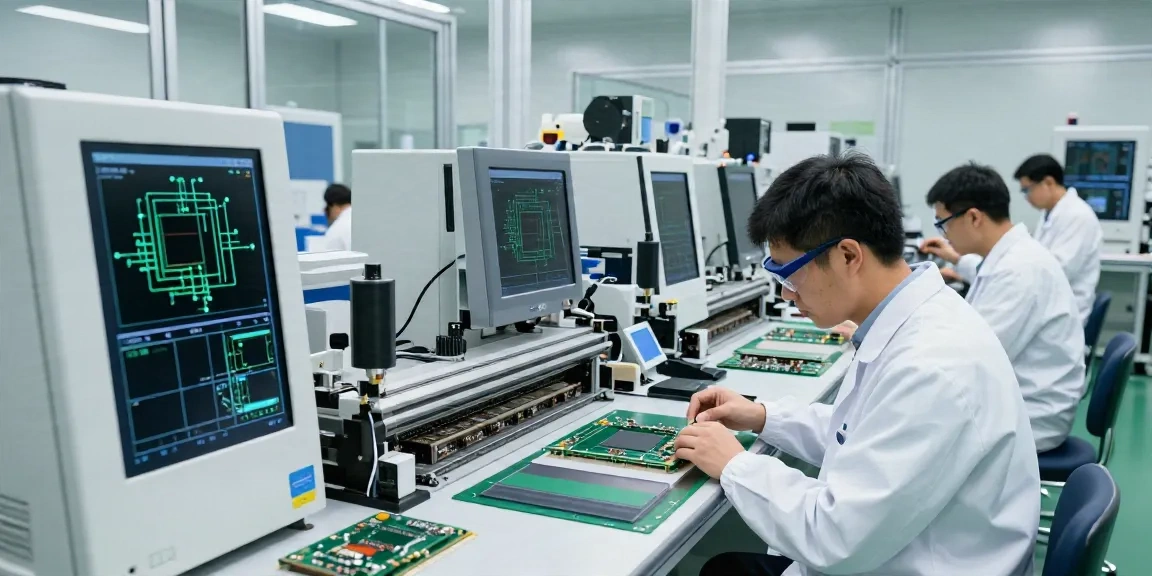
Incorporating advanced manufacturing technologies such as automation and robotics can significantly enhance production efficiency. These technologies enable manufacturers to maintain consistent quality while reducing labor costs and production times. Additionally, embracing innovations in materials science can lead to the development of more robust and efficient connectors, further enhancing a manufacturer’s product portfolio.
Real-World Examples: Successes and Failures
Understanding industry dynamics through real-world examples can provide invaluable insights for IEC connector manufacturers. Case studies often highlight best practices and challenges faced by industry leaders.
Case Study: A Leading IEC Connector Manufacturer
A notable case in the IEC connector industry involves a major manufacturer that diversified its product offerings in response to market demand. By investing in research and development, this company was able to innovate and introduce a new line of high-efficiency connectors tailored for electric vehicles. This strategic decision not only expanded their market share but also positioned them as industry leaders in the fast-growing EV sector.
Lessons from Industry Setbacks
Conversely, there have been instances where manufacturers failed to adapt to changing regulations, resulting in costly recalls and damaged reputations. One such manufacturer overlooked updates to the IEC standards and continued producing connectors that no longer met safety requirements. This resulted in significant financial losses and a loss of trust among their clientele. This example underscores the importance of staying informed and agile in an ever-evolving industry landscape.
What Innovative Companies are Doing Right
Innovative companies in the IEC connector space are leveraging technology and consumer insights to drive success. These manufacturers prioritize sustainability by using eco-friendly materials and processes, appealing to environmentally conscious customers. They also invest in employee training to foster a culture of quality and continuous improvement. This holistic approach not only enhances product quality but also builds a strong corporate reputation.
Future Trends in IEC Connector Manufacturing
The IEC connector manufacturing landscape is poised for significant evolution in the coming years. Several trends are emerging that will shape the future of the industry.
Emerging Technologies and Their Impact
Technological advancements, particularly in smart manufacturing and IoT, are set to revolutionize the way IEC connectors are designed and produced. Manufacturers that adopt these technologies can expect improved efficiency, reduced waste, and enhanced product performance. Furthermore, the integration of smart technology into connectors could lead to developments in connectivity and monitoring, catering to the demands of modern applications.
Shifts in Global Market Demands
As electrical engineering pivots towards more sustainable practices, the demand for environmentally friendly products is increasing. Manufacturers will need to adapt to these shifts by prioritizing the development of recyclable and energy-efficient connectors. Additionally, as electric vehicles gain prominence, the demand for specialized IEC connectors designed for EV charging infrastructure will likely surge.
Predictions for 2026 and Beyond
Looking ahead, the IEC connector manufacturing sector will likely witness robust growth driven by increased global connectivity and the expansion of renewable energy sources. Manufacturers that focus on innovation, customization, and quality assurance will be better positioned to capture market opportunities in this evolving landscape. It is foreseeable that by 2026, the integration of high-tech solutions and sustainable practices will have become baseline expectations for successful manufacturers.
What are the main applications of IEC connectors?
IEC connectors are widely used in various applications, including but not limited to consumer electronics, industrial machinery, medical devices, and data centers. Each application demands specific connector types that adhere to safety and performance standards, highlighting the versatility of IEC connectors across multiple sectors.
How can manufacturers ensure compliance with IEC standards?
Manufacturers can maintain compliance with IEC standards through regular training, audits, and updated processes. Engaging with industry experts and attending relevant workshops can also enhance understanding of evolving standards and best practices.
What are the benefits of using quality IEC connectors?
Quality IEC connectors ensure safety, durability, and efficiency. They reduce the risk of electrical failures, protect sensitive equipment, and enhance operational reliability, leading to higher customer satisfaction and loyalty.
How does customization affect the pricing of IEC connectors?
Customization can impact the pricing of IEC connectors due to factors such as design complexity, materials used, and production volumes. While customized connectors may incur higher initial costs, they often provide greater value through enhanced performance and tailored solutions.
What are the common materials used in IEC connector production?
Common materials for IEC connector production include high-grade plastics, metals like copper and aluminum, and insulated components made from PVC or rubber. These materials are selected for their durability and electrical performance to ensure safe and reliable connections.