Understanding RO3003 PCB Fabrication Techniques
The world of printed circuit boards (PCBs) is constantly evolving, with new materials and techniques making a significant impact on performance and reliability. Among the various options available, RO3003 PCB fabrication stands out due to its unique properties that cater specifically to high-frequency applications. This article delves into the intricacies of RO3003 material, offering insights into its properties, challenges during fabrication, and best practices for ensuring optimal performance.
Overview of RO3003 Material Properties
RO3003 is a ceramic-filled PTFE composite that is specifically engineered for high-frequency and microwave applications. One of the most notable attributes of RO3003 is its low dielectric loss, which makes it ideal for use in high-speed circuits where signal integrity is paramount. Additionally, this material boasts excellent thermal stability and a wide operating temperature range, making it suitable for various environmental conditions.
- Dielectric Constant: Typically around 3.0 at high frequencies, which enhances the performance of RF circuits.
- Thermal Conductivity: Provides excellent heat dissipation, crucial for maintaining performance in high-power applications.
- Low Moisture Absorption: Ensures reliability over time, reducing the risk of delamination during high-temperature operations.
Best Practices for Fabricating RF PCBs
When it comes to RO3003 PCB fabrication, adherence to best practices is key to achieving consistent results. The following techniques are essential:
- Precision Drilling: Utilize advanced laser or mechanical drilling techniques to ensure minimal burrs and clean hole walls, which aids in reliable interconnectivity.
- Controlled Lamination: Implement tight control of temperatures and pressures during the lamination process to prevent delamination and ensure strong bonding between layers.
- Adhesive Selection: Choose low-loss adhesive materials that complement the dielectric properties of RO3003 to maintain the electrical performance of the PCB.
Common Challenges in RO3003 PCB Production
While RO3003 offers many advantages, there are notable challenges in its production:
- Delamination Risks: Improper handling or processing can lead to delamination, particularly when transitioning between thermal cycles.
- Drilling Complications: The hardness of RO3003 can pose challenges during drilling, requiring specialized tools and techniques to avoid damage.
- Cost Considerations: While RO3003 provides superior performance, the material costs can be higher compared to standard FR-4 materials, which can impact budget-sensitive projects.
Essential Equipment for Effective RO3003 PCB Fabrication
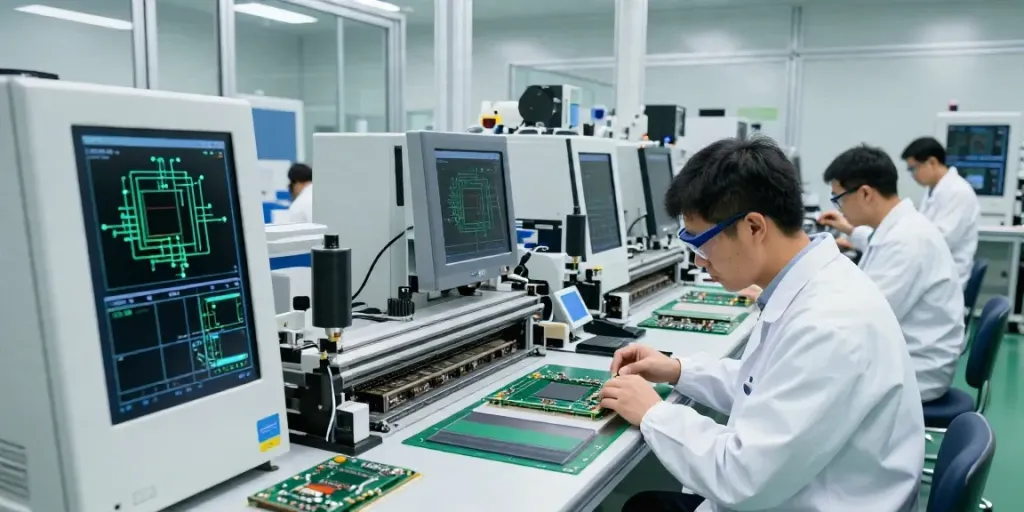
The fabrication of RO3003 PCBs requires specialized equipment to maintain precision and quality throughout the manufacturing process. This section outlines the key tools and technologies indispensable for achieving outstanding results.
Key Tools Required for Precision Fabrication
To optimize the fabrication process, manufacturers must invest in high-quality equipment:
- Laser Drills: Essential for producing precision holes with minimized thermal impact on the material.
- Automated Lamination Presses: To guarantee uniform pressure and temperature during lamination, essential for maintaining material integrity.
- Plasma Cleaners: For surface preparation before lamination, ensuring better adhesion by removing contaminants.
Innovative Technologies in PCB Manufacturing
Advancements in PCB manufacturing technologies have enhanced the capabilities of RO3003 PCB fabrication, making processes faster and more cost-effective. Here are some noteworthy innovations:
- Microvia Technology: This allows for denser routing options, facilitating the design of more complex PCBs.
- Embedded Components: The ability to embed components within the PCB reduces size and enhances performance.
- 3D Printing: While still in its infancy for PCB applications, it has the potential to revolutionize the production of R&D prototypes.
Choosing the Right Supplier for RO3003 Materials
Selecting a reliable supplier for RO3003 materials can significantly impact the overall quality of the final product. It is important to consider:
- Supplier Credentials: Verify the supplier's experience with high-frequency materials and their capacity to meet specific production demands.
- Material Certifications: Ensure that all materials are sourced from certified manufacturers to guarantee quality and consistency.
- Lead Times: Assess the supplier's ability to meet deadlines, as delays can impact project timelines.
Quality Assurance in RO3003 PCB Production
Quality assurance is crucial in ensuring the reliability of RO3003 PCBs. Implementing stringent quality control measures throughout the fabrication process can mitigate risks and enhance performance.
Testing Methods for High-Frequency Performance
To verify the performance of RO3003 PCBs, several testing methods can be employed:
- S-Parameter Testing: Measuring the reflection and transmission coefficients to understand how the PCB performs at different frequencies.
- Thermal Cycling Tests: Subjecting the PCB to varying temperatures to evaluate performance stability and identify potential failure modes.
- Impedance Control Testing: Ensuring the impedance remains consistent across the board is critical for signal integrity.
Evaluating PCB Reliability and Longevity
Reliability testing is essential for assessing how RO3003 PCBs will perform over time under various stresses. Key methods include:
- Life Cycle Testing: Simulating years of operational stress in a fraction of the time to predict longevity.
- Humidity Testing: Evaluating the impact of moisture on the PCB's performance, which is particularly important for high-frequency applications.
Implementing Quality Control Systems
Establishing an effective quality control system can significantly enhance PCB performance outcomes. Steps include:
- Standard Operating Procedures (SOP): Documenting procedures for each stage of production to ensure consistency.
- Regular Audits: Conducting systematic reviews of processes and products to identify areas for improvement.
Advanced Techniques for Enhanced RO3003 PCB Performance
Innovative techniques and strategies can further elevate the performance of RO3003 PCBs, ensuring they meet the needs of demanding applications.
Layer Stacking Strategies for Optimal Performance
Careful consideration of layer stacking can greatly affect the thermal and electrical performance of the PCB. Strategies include:
- Layer Order Optimization: Placing critical signal layers closer to the ground plane to minimize inductance and improve signal integrity.
- Controlled Impedance Design: Ensuring that routing adheres to controlled impedance guidelines to maintain signal fidelity.
Thermal Management Solutions in RF Applications
Managing heat dissipation is vital for maintaining optimal performance in RO3003 PCB applications. Effective solutions include:
- Heat Sinks: Integrating heat sinks into the design to facilitate better heat dissipation in high-power applications.
- Thermal Via Design: Utilizing thermal vias to conduct heat away from critical components helps manage temperature effectively.
Future Trends in PCB Fabrication Processes
Future trends indicate a shift towards more sustainable and efficient manufacturing processes, including:
- Eco-Friendly Materials: The increasing demand for environmentally friendly materials is paving the way for innovative substitutes in PCB fabrication.
- Automation in Manufacturing: Enhanced automation technologies are expected to streamline the fabrication process, reducing costs and improving quality.
Case Studies: Successful RO3003 PCB Applications
The application of RO3003 materials has led to numerous successful projects across various industries. This section explores notable case studies that highlight the advantages of using RO3003 PCBs.
Comparative Analysis of PCB Fabrication Projects
In comparing different fabrication projects, case studies reveal how RO3003 materials led to improved performance metrics:
- Telecommunications: A leading telecom provider utilized RO3003 for their high-frequency signal processors, resulting in a 30% improvement in signal clarity.
- Automotive Radar Systems: A manufacturer incorporated RO3003 in radar systems, achieving enhanced accuracy in obstacle detection.
Lessons Learned from Industry Leaders
Industry leaders have consistently identified critical lessons in working with RO3003 materials, including:
- Importance of Thorough Testing: Comprehensive testing protocols are crucial for ensuring reliability before large-scale production.
- Supplier Collaboration: Close cooperation with raw material suppliers can yield better outcomes and reduce fabrication issues.
Forecasting Future Innovations in RO3003 Use
Looking ahead, the use of RO3003 in innovative applications such as 5G technology and compact IoT devices is expected to expand. As demand for high-frequency performance continues to rise, manufacturers will need to adapt their strategies to leverage the unique capabilities of RO3003 effectively.