Why Sleep Apnea is Often Undiagnosed in Women
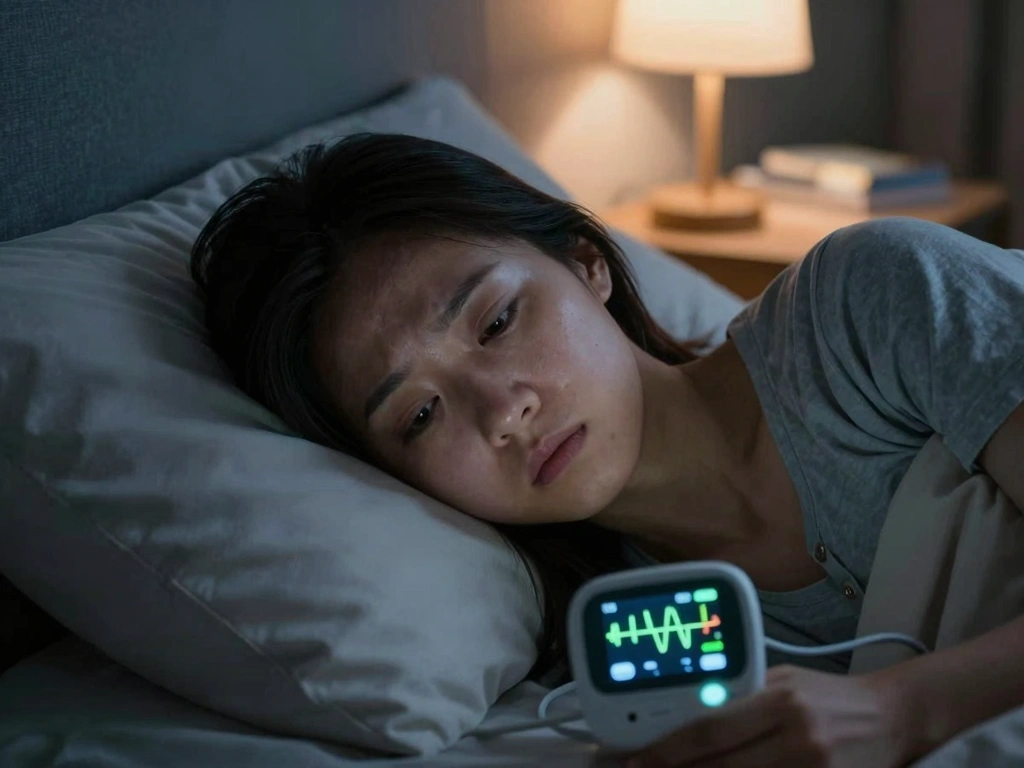
Sleep apnea is a serious sleep disorder that affects millions of people globally, yet it remains underdiagnosed in women. This article explores the multifaceted reasons behind this gap in diagnosis, focusing on biological, symptomatic, educational, and social factors that contribute to the often-overlooked presence of sleep apnea in females.
Biological Differences in Sleep Patterns
Hormonal Influences on Sleep Quality
Hormones play a crucial role in regulating sleep quality and patterns. In women, fluctuations in estrogen and progesterone throughout the menstrual cycle can significantly affect sleep. For instance, during the luteal phase, progesterone levels rise, which can lead to increased fatigue but also impact respiratory stability during sleep. Research has shown that hormonal changes can exacerbate sleep apnea symptoms, leading to disrupted sleep without clear recognition of the underlying condition.
Variations in Sleep Architecture
Women tend to experience different sleep architectures compared to men. Studies indicate that women often spend more time in lighter stages of sleep, which can mask the more severe symptoms of sleep apnea. While men may experience pronounced apneas that result in noticeable gasping or choking, women might have more subtle, yet equally disruptive, sleep disturbances that go unreported and undiagnosed. This variation can lead to a lack of recognition of sleep apnea in women, as the symptoms may not align with the more commonly recognized presentations seen in men.
Impact of Menstrual Cycle on Sleep Apnea Symptoms
The menstrual cycle can exacerbate sleep apnea symptoms in women. For example, premenstrual syndrome (PMS) can lead to sleep disturbances, which may mask or mimic sleep apnea symptoms. Furthermore, the risk of sleep apnea can increase during pregnancy due to weight gain and hormonal changes, yet many healthcare providers may overlook these factors when assessing women’s sleep health. This cyclical pattern complicates the identification and diagnosis of sleep apnea, as symptoms can be attributed to other menstrual-related issues.
Symptom Presentation and Misinterpretation
Subtle Symptoms Unique to Women
Women often present with symptoms that differ from the classic signs of sleep apnea. While men typically present with loud snoring and witnessed apneas, women may experience symptoms such as insomnia, fatigue, headaches, or depression. These subtle symptoms can lead to a misinterpretation of the underlying cause, as they are often attributed to stress, anxiety, or other mental health issues. For example, a woman might report persistent fatigue and receive a diagnosis of depression without being evaluated for sleep apnea, a condition that could be significantly impacting her energy levels and overall health.
Common Misdiagnoses in Female Patients
The misdiagnosis of sleep apnea in women is common and can lead to inadequate treatment. Conditions such as anxiety disorders, chronic fatigue syndrome, and even thyroid issues are frequently mistaken for sleep apnea. A study published in the Journal of Clinical Sleep Medicine found that women are more likely to be misdiagnosed than men, with many receiving treatment for anxiety or depression while their sleep issues remain unaddressed. Without proper diagnosis, the underlying sleep disorder continues to affect their health and well-being.
Underreporting of Symptoms by Women
Women may underreport symptoms of sleep apnea due to various psychological and cultural reasons. Many women are socialized to prioritize the needs of others and may downplay their own health concerns. Additionally, the fear of being perceived as “complaining” or “over-exaggerating” can lead to women dismissing their symptoms. This underreporting is a significant barrier to diagnosis, as healthcare providers rely on patient-reported symptoms to guide their assessments. A survey indicated that over 50% of women experiencing sleep disturbances did not seek medical help, which is indicative of this pervasive issue.
Lack of Awareness Among Healthcare Providers
Gender Bias in Medical Training
Gender bias in medical training contributes significantly to the underdiagnosis of sleep apnea in women. Historically, medical research has predominantly focused on male patients, leading to a lack of understanding of how sleep disorders manifest differently in women. This bias can result in healthcare providers being less likely to consider sleep apnea as a diagnosis for female patients presenting with sleep-related issues. By rectifying this gap in medical education, providers can better recognize and treat sleep apnea in women.
Inadequate Screening Protocols for Women
Many screening protocols and questionnaires used by healthcare providers fail to adequately account for the unique presentations of sleep apnea in women. Standardized screening tools may emphasize snoring and daytime sleepiness, which may not apply to many female patients. As a result, women might not be referred for further testing, such as a sleep study, leading to missed diagnoses. Updating screening protocols to encompass a broader range of symptoms and presentations specific to women is crucial in improving diagnosis rates.
Challenges in Patient-Provider Communication
Effective communication between patients and healthcare providers is essential for accurate diagnosis and treatment. Women may feel uncomfortable discussing sleep issues, particularly if they are perceived as “less serious” than other health concerns. Additionally, if providers do not actively inquire about sleep health, women may not mention their symptoms. Training providers to foster a more open dialogue about sleep health can lead to improved outcomes and increased diagnoses of sleep apnea among women.
Cultural and Social Factors Influencing Diagnosis
Stigmas Surrounding Sleep Disorders
Stigmas surrounding sleep disorders can further complicate the diagnosis of sleep apnea in women. In many cultures, sleep issues are not openly discussed, leading to a lack of awareness and understanding of the condition. Women may feel embarrassed about their sleep problems, fearing judgment or misunderstanding from peers and family. This stigma can deter them from seeking help, perpetuating the cycle of underdiagnosis and untreated conditions.
Societal Expectations and Health Prioritization
Societal expectations often place a higher priority on caretaking roles for women, leading them to neglect their own health needs. This caregiving mindset can result in women prioritizing the health of their families over their own, causing them to overlook symptoms of sleep apnea. Research shows that women are less likely to seek medical attention for their issues, often waiting until symptoms become severe. Changing societal norms to encourage women to prioritize their health is vital for improving sleep apnea diagnosis rates.
The Role of Caregiver Responsibilities in Health-Seeking Behavior
The responsibilities that many women bear as caregivers can significantly impact their health-seeking behavior. Juggling multiple roles—such as mother, employee, and caretaker—can lead to chronic fatigue and stress, which may mask sleep apnea symptoms. Women may dismiss their sleepiness as a natural consequence of their hectic lives rather than a treatable medical condition. Encouraging women to view their health as a priority, rather than an afterthought, is essential for addressing sleep apnea and improving overall well-being.
Impact of Undiagnosed Sleep Apnea on Women's Health
Link to Mental Health Disorders
Undiagnosed sleep apnea has profound implications for women’s mental health. Studies indicate that there is a significant correlation between sleep apnea and issues such as depression, anxiety, and stress-related disorders. The chronic fatigue and disrupted sleep patterns caused by sleep apnea can exacerbate these conditions, creating a vicious cycle that can be difficult to break. Addressing sleep apnea may not only improve sleep quality but also serve as a critical intervention for underlying mental health disorders.
Effects on Cardiovascular Health
Women with undiagnosed sleep apnea are at an increased risk for cardiovascular diseases. Sleep apnea can lead to hypertension, heart disease, and stroke, particularly in women. The physiological stress on the body caused by repeated apneas can lead to increased inflammation and higher blood pressure, exacerbating cardiovascular risks. Recognizing and treating sleep apnea early can mitigate these risks and promote better cardiovascular health for women.
Consequences for Quality of Life and Daily Functioning
The impact of undiagnosed sleep apnea extends beyond physical health, significantly affecting women’s quality of life and daily functioning. Chronic fatigue can hinder productivity at work, strain personal relationships, and diminish overall life satisfaction. Women may find themselves less engaged in social activities and hobbies due to their fatigue, leading to a downward spiral of isolation and dissatisfaction. Addressing sleep apnea can dramatically improve quality of life, enabling women to reclaim their energy and engagement in daily activities.
In conclusion, the underdiagnosis of sleep apnea in women is a multifaceted issue influenced by biological differences, misinterpretation of symptoms, lack of awareness among healthcare providers, and cultural factors. Understanding these barriers is crucial for improving diagnosis rates and treatment outcomes. By fostering an environment that encourages recognition and discussion of sleep health, we can ensure that women receive the care they need to thrive.