Understanding Ceiling Speakers: Basics and Benefits
As the demand for immersive audio experiences grows, ceiling speakers, known as اسپیکر سقفی in Persian, have become increasingly popular in both residential and commercial settings. These speakers provide a sleek aesthetic while delivering high-quality sound without occupying valuable floor space. Whether integrating into a home theater system or enhancing background music in a commercial venue, understanding the fundamentals of ceiling speakers and their benefits is essential for making informed decisions.
What is a Ceiling Speaker?
A ceiling speaker is a type of loudspeaker that is installed directly into the ceiling, creating a clean look that blends seamlessly with the architecture of a room. Unlike traditional floor-standing or wall-mounted speakers, ceiling speakers are designed to be unobtrusive and often feature a low-profile design that can be painted or finished to match the ceiling. They come in various types, including passive and active models, which allow for different installation and operational considerations.
Advantages of Using Ceiling Speakers
- Space-Saving Design: Ceiling speakers do not take up floor or wall space, making them ideal for smaller rooms or areas where space is at a premium.
- Enhanced Sound Distribution: Properly positioned ceiling speakers can provide uniform sound distribution throughout a room, reducing dead spots and enhancing the overall audio experience.
- Aesthetic Appeal: Their unobtrusive design allows ceiling speakers to maintain the visual integrity of a space, making them suitable for modern homes and businesses.
- Flexibility in Installation: Ceiling speakers can be installed in various configurations, making them versatile for different space requirements.
- Low Maintenance: With fewer exposed components, ceiling speakers require less upkeep than traditional speakers.
Common Installation Techniques
Installing ceiling speakers can be straightforward if approached with the right techniques. There are generally two types of installations—new constructions and retrofitting into existing structures. New constructions involve preparation during the building phase, while retrofitting requires careful planning to ensure that the speakers are installed correctly without causing damage to existing ceilings. When exploring options, اسپیکر سقفی options provide comprehensive insights on installation practices and speaker capabilities.
Key Factors to Consider When Choosing اسپیکر سقفی
When selecting ceiling speakers, there are several critical factors to keep in mind to ensure optimal performance and satisfaction with your audio system.
Sound Quality and Performance
The sound quality of ceiling speakers can vary significantly between models. Consider factors like frequency response, sensitivity, and power handling capacity. Ideally, select speakers that deliver a balanced sound profile to enhance the audio experience, whether for music, movies, or announcements.
Size and Design Considerations
Ceiling speakers come in various sizes and designs. The choice of size will depend on the room's dimensions and the desired power output. Additionally, the design should complement the existing decor. Some models feature a grill that can be painted to match the ceiling color, further enhancing their aesthetic appeal.
Wiring and Connectivity Options
Wiring methods can differ based on the speaker type—wired or wireless. While wired speakers often provide superior sound quality, wireless options offer more flexibility in terms of placement. When selecting speakers, ensure they are compatible with your audio system and consider the necessary wiring or wireless technology for optimal connectivity.
Installation Guide: How to Install Ceiling Speakers
Preparation and Tools Needed
Before starting the installation of ceiling speakers, gather essential tools, including a stud finder, drywall saw, speaker wire, and a screwdriver. It's also advisable to have a ladder for reaching higher ceilings. Planning is critical; determine speaker placement for balanced sound distribution and ensure no electrical wiring or plumbing is obstructing your installation area.
Step-by-Step Installation Process
- Choose the location for the speakers, ensuring even sound coverage.
- Use the stud finder to mark where the speakers will be installed.
- Cut holes in the ceiling using the drywall saw based on the size of the speakers.
- Run the speaker wire from the receiver to the hole location.
- Connect the speaker wire to the terminals on the ceiling speaker.
- Secure the speaker in place according to the manufacturer's instructions.
- Test the speaker for sound quality and adjust as necessary.
Common Mistakes to Avoid
- Ignoring placement rules, causing uneven sound distribution.
- Overloading the speaker with excessive power, leading to distortion or damage.
- Neglecting to account for ceiling height, which can affect sound quality.
- Failing to hide wires neatly, which can detract from the installation's aesthetic.
Trends in اسپیکر سقفی for 2026: What's on the Horizon?
The ceiling speaker market is evolving, with several exciting trends emerging that cater to modern audio consumers.
Smart Technology Integration
As smart home technologies continue to advance, integrating intelligent systems with ceiling speakers is becoming commonplace. Many new models are now compatible with home automation systems, allowing users to control their audio experiences through voice commands or mobile applications.
Customization and Aesthetic Choices
Manufacturers are increasingly offering customization options for ceiling speakers, enabling users to select colors, textures, and shapes that blend seamlessly with their decor. This trend emphasizes the importance of aesthetics in audio equipment design.
Sustainability in Speaker Manufacturing
With growing awareness of environmental issues, more brands are adopting sustainable practices in their manufacturing processes. Expect to see an increase in products made from recycled materials and those that minimize waste during production.
Real-World Applications: Where to Use Ceiling Speakers
Ceiling speakers are versatile and can be utilized in various settings, adapting to the unique needs of each environment.
Home Theaters and Living Spaces
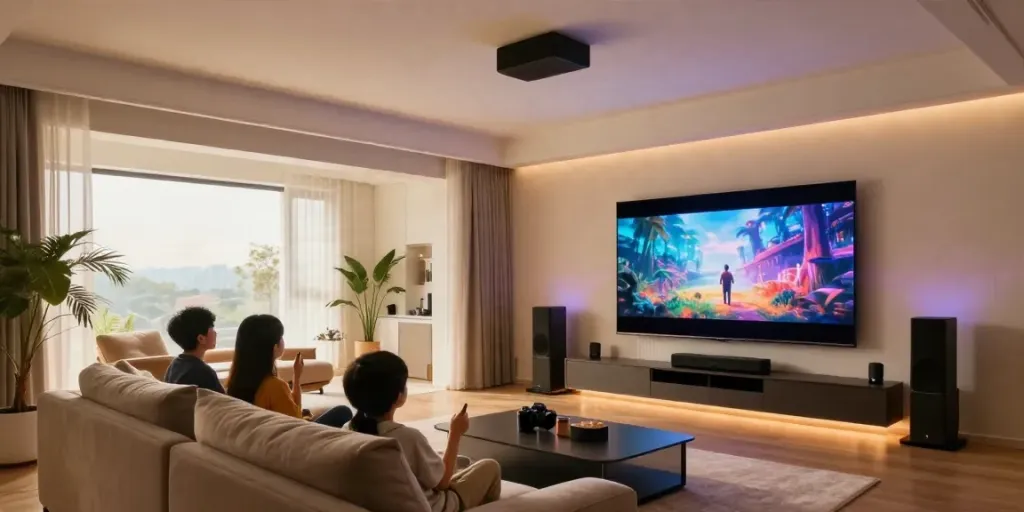
In residential settings, ceiling speakers can create an immersive home theater experience by providing surround sound without bulky equipment. Their discreet installation enhances the room’s ambiance while delivering superior sound quality for movies and music.
Commercial and Public Areas
Ceiling speakers are ideal for commercial settings such as restaurants, retail stores, and offices, where background music or announcements are needed without disrupting the space’s design. Their ability to blend into the ceiling allows for an uninterrupted flow in public areas.
Outdoor Installation Considerations
For outdoor space utilization, specially designed weather-resistant ceiling speakers can provide excellent sound quality while withstanding external elements. Installation in patios, gazebos, and outdoor dining areas enhances the audio experience in open environments.
What are the best brands for اسپیکر سقفی?
Several reputable brands offer high-quality ceiling speakers, including JBL, Klipsch, and Polk Audio. Each brand brings unique features and technologies, so it is essential to research and compare products to find the best fit for your needs.
How do I know the right size of اسپیکر سقفی for my room?
The size of the ceiling speaker should correlate with the room's dimensions. Larger rooms typically require more substantial speakers or multiple units to achieve even sound distribution. A general rule is to aim for one speaker per 100 square feet of space for optimal audio performance.
What is the average cost of نصب اسپیکر سقفی?
The installation cost for ceiling speakers can vary based on factors such as the complexity of the installation and labor rates in your area. On average, professional installation can range from $100 to $300 per speaker, depending on the specifics of the setup.
Can I connect اسپیکر سقفی to wireless systems?
Yes, many modern ceiling speakers are designed to work with wireless systems, allowing for seamless integration with Bluetooth or Wi-Fi audio sources. This flexibility enhances user convenience and simplifies the overall audio setup.
What maintenance is required for ceiling speakers?
Ceiling speakers generally require minimal maintenance. However, periodic checks for dust and debris accumulation on the speaker grills can help maintain sound quality. Additionally, inspecting connections and wiring can help ensure longevity and optimal performance.