Understanding Distilled Water vs. Reverse Osmosis Water
When selecting a purification system for drinking water, two of the most debated options are distilled water and reverse osmosis (RO) water. These purification methods are known for their effectiveness in producing high-quality drinking water. However, they employ different processes, leading to differences in taste, efficiency, and overall practicality. Understanding the distilled water purified water difference is essential, especially for those seeking an optimal solution for everyday hydration.
What is Distilled Water?
Distilled water is the result of a purification process that involves boiling water and then condensing the steam back into a liquid form. This distillation technique effectively removes impurities, including dissolved solids, minerals, and contaminants, making distilled water one of the purest forms of water available. It’s commonly used in applications that require mineral-free water, such as in laboratories, medical settings, and certain industrial processes.
What is Reverse Osmosis Water?
Reverse osmosis water, on the other hand, is produced through a more complex filtration process. Water is forced through a semi-permeable membrane that filters out contaminants, including heavy metals, chemicals, and other harmful substances. RO systems typically utilize multiple stages of filtration, including carbon and sediment filters, to ensure maximum purity before the water reaches your tap. This method is highly efficient and commonly used in residential settings for drinking and cooking water.
Key Characteristics of Both Types
While both distilled and reverse osmosis water yield extremely pure results, their characteristics can vary widely. Distilled water is almost devoid of minerals, sometimes resulting in a flat taste. Conversely, reverse osmosis water can be engineered to retain or reintroduce minerals, enhancing the flavor and making it more palatable for daily consumption.
Similarities Between Distilled and Reverse Osmosis Water
Purity and Contaminant Removal
Both distilled and reverse osmosis water purification processes are designed to produce highly purified water. They effectively reduce levels of common contaminants such as chlorine, bacteria, heavy metals, and volatile organic compounds (VOCs). This makes them excellent choices for individuals concerned about the quality of their drinking water.
Environmental Impact
In an era where sustainability is paramount, both distilled and reverse osmosis systems present environmentally friendly alternatives to bottled water. Using these systems at home helps reduce the reliance on single-use plastic bottles, significantly decreasing plastic waste and the associated carbon footprint from transporting bottled water.
Health Benefits of High-Purity Water
Consuming high-purity water is essential for maintaining hydration and overall health. Water free from contaminants supports bodily functions and contributes to better digestive health, improved cognitive function, and enhanced energy levels. As such, the choice between distilled and RO water can have implications for long-term health.
Key Differences: Distilled vs. Reverse Osmosis
Taste Profiles: Flat vs. Fresh
One notable difference between distilled and reverse osmosis water is their taste. Distilled water can often taste flat or bland since it lacks minerals. On the other hand, reverse osmosis water typically has a fresher taste due to the retention or reintroduction of trace minerals, making it more enjoyable for everyday use in cooking and drinking.
Energy Efficiency and Production Rates
Energy consumption is another crucial factor in comparing these two methods. Distillation requires significant energy to continuously boil water, making it less efficient for large-scale production. In contrast, reverse osmosis systems are generally more energy-efficient, consuming less than 0.05 kWh per liter of water produced, compared to the 0.7-1.0 kWh required for distillation.
Practical Uses in Daily Life
In terms of practicality, reverse osmosis systems are designed for high-volume usage. They can supply a steady stream of purified water, making them a better fit for daily household needs, including drinking, cooking, and beverage preparation. Conversely, distilled water is typically produced in smaller batches, which may not be suitable for large families or frequent usage.
Why Distilled Water is Not Recommended for Daily Consumption
Lack of Essential Minerals
One of the primary drawbacks of distilled water is its lack of essential minerals. While purity is a significant advantage, the absence of minerals like calcium and magnesium can lead to an unbalanced intake in one’s overall hydration strategy. Over time, exclusive consumption of distilled water could potentially affect dietary mineral levels.
Potential Health Risks
Long-term reliance on distilled water raises health concerns. While it is free of contaminants, drinking distilled water exclusively may not provide the essential electrolytes needed for optimal bodily function. In essence, the absence of minerals can contribute to electrolyte imbalances, particularly in individuals who are highly active or have specific health conditions.
Long-Term Hydration Concerns
Furthermore, hydration is not just about water intake; it’s also about maintaining electrolyte balance. Drinking water that lacks essential minerals over extended periods may not be conducive to optimal health, especially in situations where the body loses fluids and needs to replenish electrolytes effectively.
Choosing the Right Water Purification System for Your Home
Benefits of Countertop Reverse Osmosis Purifiers
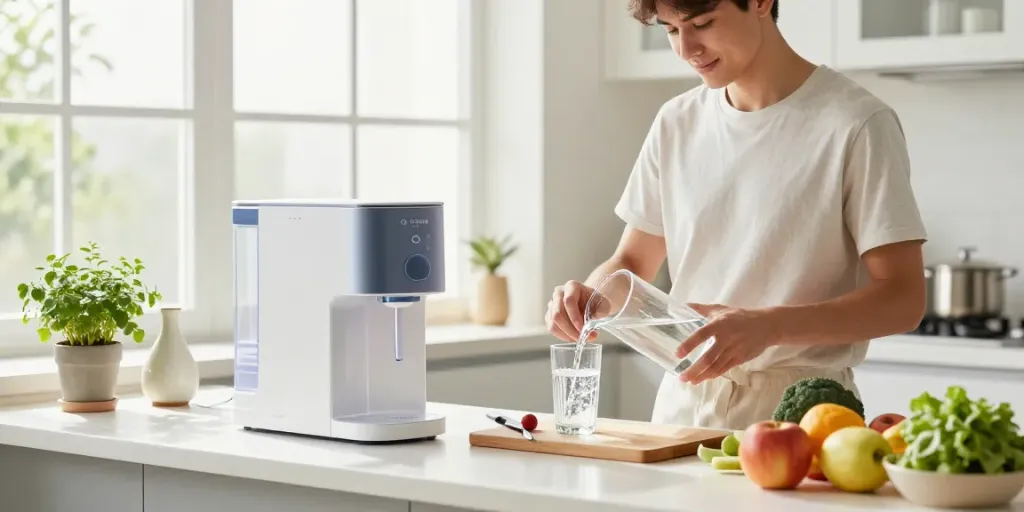
For many households, countertop reverse osmosis purifiers represent the most practical solution for clean drinking water. They offer plug-and-play convenience without requiring any plumbing modifications or installations, making them ideal for apartments and rental homes.
Considerations for Apartments and Rentals
In urban living situations, the adaptability of a countertop RO system is a key selling point. With no need for landlord approvals and the ability to fit seamlessly into small spaces, these systems provide flexibility and performance without compromising on water quality.
Case Studies: Successful Implementations
Consider a family living in a high-rise apartment. By installing a countertop reverse osmosis system, they enjoy unlimited access to fresh, clean water without the bulk and hassle of bottled water delivery. Alternatively, individuals in shared housing can ensure water quality while sharing resources effectively, demonstrating the versatility of RO systems in diverse living conditions.
Are Reverse Osmosis Systems Energy Efficient?
Yes, modern reverse osmosis systems are designed with energy efficiency in mind. With advancements in technology, many units now operate on reduced energy requirements, making them a sustainable choice for home water purification.
FAQs
Can I use reverse osmosis water for cooking?
Absolutely! Reverse osmosis water is not only safe for drinking but also ideal for cooking, as it improves flavors and prevents limescale buildup in appliances.
What are the main health advantages of purified water?
Purified water, whether distilled or RO, provides significant health advantages by reducing exposure to harmful contaminants and supporting overall hydration needs.
How do I maintain my reverse osmosis system?
Regular maintenance involves changing filters as recommended and sanitizing the system to ensure optimal performance and safety.
Is distilled water ever safe for consumption?
While distilled water is safe for short-term use, it is not recommended as a primary drinking source due to its lack of essential minerals.
What are the future trends in water purification technology in 2026?
As technology evolves, we anticipate more energy-efficient and user-friendly purification systems, including advanced filtration methods that incorporate smart technology for monitoring water quality and usage.