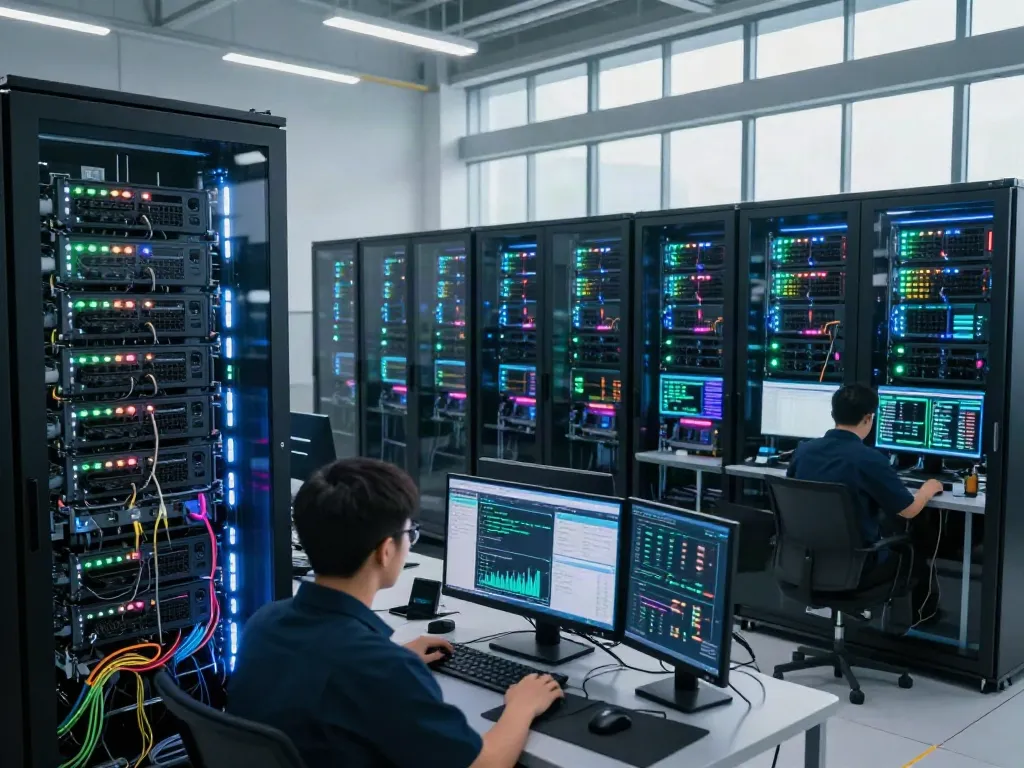
Understanding the AI Data Center Landscape
The rise of artificial intelligence (AI) technologies has significantly altered the landscape of data storage and processing. AI data centers are specifically designed to support the complex and demanding workloads associated with AI applications. These facilities combine high-performance computing power, specialized hardware, and optimized architectures to train and deploy AI models efficiently. Understanding the intricacies of AI data centers is vital for those looking to engage in the expanding AI Token Economy, as these centers form the backbone for computational needs and infrastructure management. For insights into the infrastructure that supports these technologies, take a look at the AI data center ecosystem.
What is an AI Data Center?
An AI data center is a specialized facility that houses the IT infrastructure necessary for training, deploying, and delivering AI applications and services. Unlike traditional data centers, which are built primarily for general computing tasks, AI data centers must accommodate the unique demands of AI workloads. This includes advanced hardware like Graphics Processing Units (GPUs), Tensor Processing Units (TPUs), and optimized networking equipment to handle extensive data processing.
As AI technologies evolve, the requirements for data centers also change. AI data centers focus on three main aspects: high computational power, low latency, and efficient power management. They are equipped with powerful GPUs that facilitate parallel processing, enabling quicker data analysis and model training compared to conventional CPUs.
Key Components of AI Infrastructure
To effectively support AI workloads, several key components must be integrated into AI data center infrastructure:
- Compute Power: High-performance hardware such as GPUs and TPUs that exceed traditional CPU capabilities in speed and efficiency for AI tasks.
- Storage Solutions: Fast and scalable storage options, including Solid State Drives (SSDs) and cloud storage, that can quickly access large datasets.
- Networking Infrastructure: High-bandwidth, low-latency networking is essential for data transfer among servers and for communication between distributed data centers.
- Energy Management: Efficient energy usage is crucial, as AI data centers consume significantly more power than traditional data centers, necessitating innovative cooling solutions and power optimization strategies.
Current Trends in AI Data Centers for 2026
The future of AI data centers is shaped by emerging trends that enhance efficiency and scalability. As we move toward 2026, several key trends are expected to dominate:
- Increased Use of Renewable Energy: Sustainability practices are becoming essential, with many AI data centers investing in renewable energy sources to reduce their carbon footprint.
- Advanced Cooling Technologies: As data centers grow in density and energy consumption, innovative cooling methods such as liquid cooling and free air cooling are gaining popularity.
- Integration of AI in Data Management: AI technologies themselves are being utilized to optimize data center operations, from predictive maintenance to energy usage forecasting.
- Decentralized Architecture: The shift towards edge computing facilitates more localized data processing, reducing latency and improving service delivery.
Common Mistakes in AI Data Center Management
While AI data centers represent cutting-edge technology, their management is fraught with challenges. Avoiding common pitfalls is crucial for maintaining operational efficiency and ensuring optimal performance.
Poor Capacity Planning
One of the most prevalent mistakes in managing AI data centers is inadequate capacity planning. As AI workloads can fluctuate dramatically, it is vital to anticipate future computing needs accurately. Failure to do so can lead to underutilization or overutilization of resources, both of which incur significant costs. Effective capacity planning also involves forecasting trends in AI model complexity and corresponding resource requirements.
Neglecting Cooling and Power Efficiency
Given the substantial power requirements of AI workloads, neglecting power efficiency can severely impact operational costs. AI data centers often consume more energy than traditional data centers, making efficient cooling systems paramount. Failing to invest in properly designed cooling solutions can lead to overheating, equipment inefficiencies, and increased operational risks.
Overlooking Cybersecurity Measures
As the data processed in AI data centers can include sensitive information, cybersecurity must be a top priority. Overlooking security measures increases the risk of data breaches, which can have devastating consequences for organizations. Implementing strict access controls, regular security audits, and up-to-date software defenses are essential to protect data integrity.
Best Practices for a Successful AI Data Center
Employing best practices in AI data center management can enhance performance and ensure sustainability. Here are several strategies to consider:
Implementing Scalable Infrastructure
Scalability is essential for AI data centers to adapt to changing workloads and user demands. By designing infrastructure that can be easily expanded or contracted, facilities can respond effectively to fluctuations in processing requirements. This may involve modular data center designs that allow for incremental scaling without significant operational disruptions.
Utilizing Advanced Monitoring Tools
Advanced monitoring tools are vital for real-time assessment of performance metrics, energy usage, and overall system health. Tools leveraging AI can provide predictive insights into potential issues, allowing for proactive maintenance and minimizing downtime.
Regular Maintenance and Upgrades
The fast-paced nature of AI technologies necessitates frequent updates and maintenance. Regularly scheduled checks on hardware and software components can prevent failures and ensure that the infrastructure is equipped with the latest advancements.
Case Studies: Lessons from Leading AI Data Centers
Examining real-world case studies can provide valuable insights into successful operations and pitfalls to avoid in AI data centers.
Success Story: Optimizing Workloads
A leading AI data center successfully optimized its workload management by implementing a dynamic resource allocation system that adjusted computational resources based on real-time demand. This efficiency not only reduced costs but also improved processing speeds, enabling quicker deployment of AI services.
Failure Analysis: What Went Wrong?
A notable failure involved an AI data center that underestimated the cooling needs of its densely packed servers. The result was frequent overheating, leading to server failures and substantial financial losses. This case underscores the importance of comprehensive planning and simulation in facility design.
Innovations in AI Infrastructure
Innovations such as containerized data centers represent the future of AI infrastructure. By utilizing standardized units, these mobile environments can be deployed quickly and scaled as needed, providing flexibility in resource management and enhancing operational efficiency.
The Future of AI Data Centers: Predictions and Innovations
As we look ahead, the future of AI data centers promises several exciting developments that will shape the industry.
Emerging Technologies in 2026
Among the emerging technologies expected to impact AI data centers are quantum computing and enhanced machine learning algorithms. These technologies hold the potential to revolutionize data processing speeds and efficiency, allowing for more complex models and analyses.
Adapting to Market Demands
As data privacy and regulatory requirements evolve, AI data centers must adapt to ensure compliance. This includes implementing robust data governance frameworks and staying abreast of global regulatory changes.
Regulations and Sustainability Practices
Sustainability will continue to be a focal point. Data centers will increasingly adopt green practices, focusing on energy-efficient systems and the use of renewable energy sources to minimize environmental impact.